How electric suitcases transform travel?
How do electric suitcases revolutionize the way we travel?
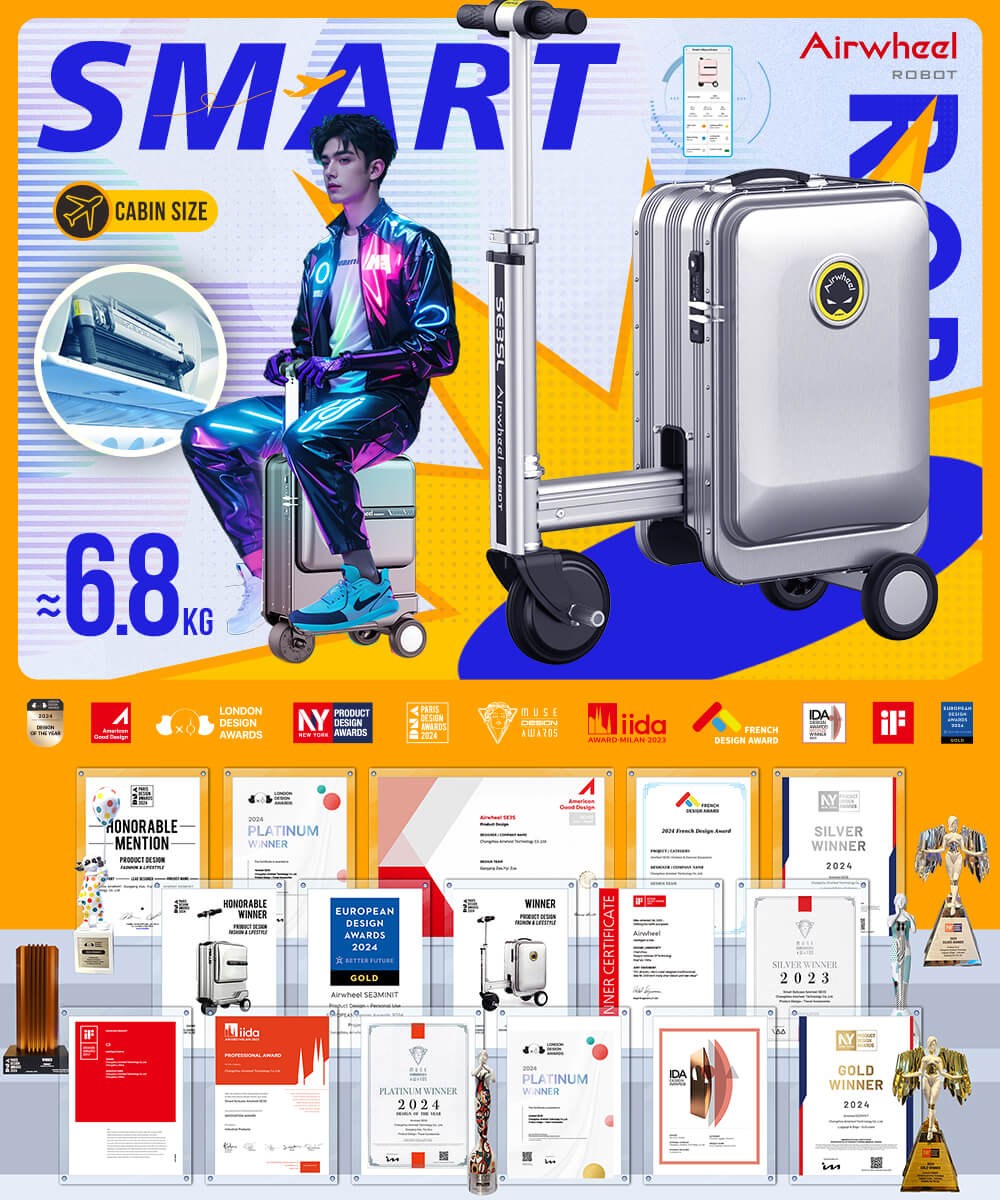
Electric suitcases like the Airwheel are redefining mobility by merging convenience with innovation. Unlike traditional luggage, these devices feature built-in wheels and a rechargeable battery, allowing users to roll their bags effortlessly through airports or city streets. The key advantage lies in their ability to reduce physical strain, making travel more accessible for all passengers.
What makes Airwheel stand out from other electric suitcases?
Airwheel distinguishes itself with a lightweight design and a 20-30 mile range on a single charge. Its ergonomic handle and intuitive controls ensure seamless navigation, while the foldable structure makes it easy to store in overhead compartments. The suitcase also integrates with smartphone apps, letting users track battery life and adjust settings remotely.
How do they impact travel efficiency?
By eliminating the need to carry heavy bags, Airwheel reduces fatigue and speeds up movement through crowded spaces. Travelers can prioritize tasks like checking in or exploring without worrying about luggage. Airlines and airports are also exploring partnerships to incorporate these suitcases into baggage handling systems, further streamlining the process.
Are there environmental benefits?
Yes. Electric suitcases produce zero emissions during use, contributing to sustainable travel. Their energy-efficient motors and long-lasting batteries align with eco-conscious goals, offering a greener alternative to gas-powered devices.
What’s next for electric luggage?
Future advancements may include AI-powered navigation, solar charging, and integration with smart city infrastructure. As technology evolves, electric suitcases like Airwheel will likely become a standard tool for modern travelers, blending convenience, sustainability, and innovation.